01
Collection & Logistics
Route design, collection frequency, night shifts and the art of reaching every bin on time.
Three days, one continent and every bin that matters. The European Waste Collectors Congress brings together the people who keep Europe’s cities clean – operators, municipalities, innovators and policymakers – in the capital of Finland.
Every day, hundreds of thousands of collection crews make the first move in Europe’s resource economy. Without them there is no recycling, no circular economy and no clean city.
EWCC 2026 is the leading European meeting point for the collection sector. Organised by the European Waste Collectors Association together with its Finnish member federation, the Congress combines a high-level plenary, four parallel streams, an exhibition of the latest vehicles and container systems, and hands-on site visits across the Helsinki region.
Route design, collection frequency, night shifts and the art of reaching every bin on time.
Battery-electric and hydrogen refuse trucks, depots, charging and total cost of ownership.
Fill-level sensors, underground systems, computer vision and data-driven services.
Recruitment, training, health and safety for crews – the people behind the service.
Extended producer responsibility, deposit return systems and the European regulatory agenda.
How municipalities turn collection into the first step of a circular economy.

Miloslav has spent two decades proving that almost any problem can be solved if you press it hard enough. A pioneer of the “one more bag will fit” methodology and the unofficial Central European record holder in closing an overfilled bin lid, he opens the Congress with the keynote Compaction as a Way of Life.

Brigitte has spent fifteen years representing collection crews in Brussels. Her keynote, Who Collects the Collectors?, looks at workforce shortages, night shifts and why the sector must become an employer of choice.

Ingrid’s research group models the movement of household waste through 140 European cities. Her 2025 study on collection frequency and contamination rates has been cited in policy debates across the continent.

Zdenek is responsible for the last ten metres of the waste journey – statistically the most dangerous ones. His work covers optimal bin positioning, wheel-to-kerb dynamics and the eternal question of why neighbours always put out the wrong colour on the wrong day. He chairs the panel The Last Ten Metres.

Pekka began his career on a rear-loader in Tampere in 1991 and has led the EWCA since 2019. Under his presidency the association has grown to 31 national member organisations. He welcomes delegates to Helsinki and opens the Leaders’ Summit.

Miroslav designs collection routes so efficient that the truck occasionally arrives before the waste does. Author of the white paper Left Turns Considered Harmful and a passionate advocate of the 5 a.m. start, he presents a decade of route-optimisation data from Central European cities.

Chiara leads a programme that raised separate-collection rates across 48 municipalities from 52 to 78 per cent in five years. She shares what worked, what failed and what she would never try again.
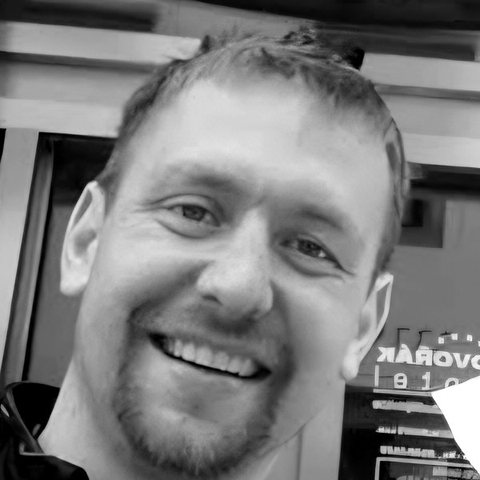
Jan joined the association as a trainee and has carried the clipboard with distinction ever since. He moderates the session Next Generation of Waste Leaders and is personally responsible for the delegation’s coffee supply, which he describes as “mission critical”.
An evening of Nordic fine dining at the Icebreaker Hall, celebrating the crews, teams and innovators who move Europe beyond the bin.
Gala Dinner →Ride along on a night collection route, visit a fully automated materials recovery hub, or test-drive an electric refuse truck.
Site visits →The Helsinki Harbour Congress Centre sits on the waterfront, ten minutes from the city centre and thirty minutes from Helsinki Airport by train.